
Coconut Oil Fatty Acid Diethanolamide (6501 / CDEA)
Nonionic Surfactants
coconut diethanolamide 6501 CDEA foam stabiliser antistatic
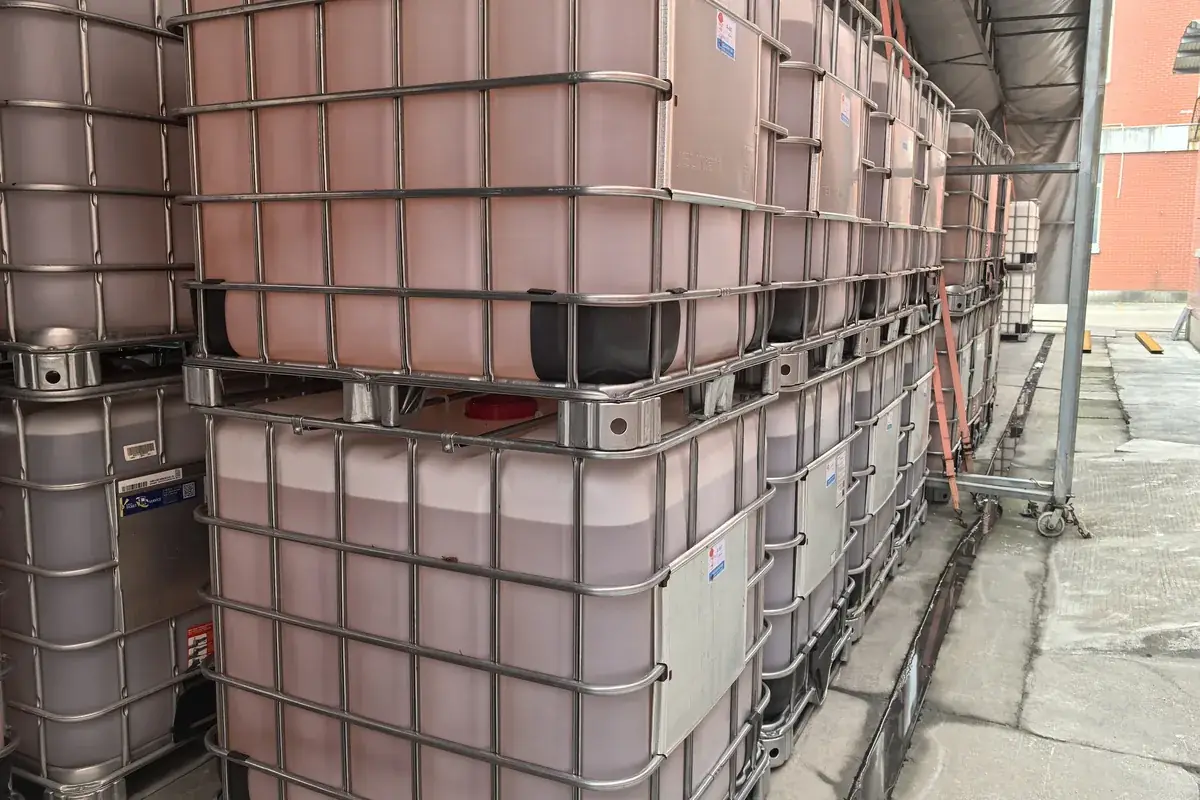
6501 is industry shorthand for coconut oil fatty acid diethanolamide, also written CDEA or cocamide DEA - an alkanolamide made by reacting a coconut-derived fatty acid with diethanolamine. It is a nonionic surfactant, and in practice it is bought for one thing above all others: what it does to foam and to viscosity. A shampoo or a liquid detergent that lathers thinly, or that goes watery on the shelf, is usually a formula short of an alkanolamide rather than short of a primary surfactant. In this range the grade is published as Coconut Oil Fatty Acid Diethanolamide (6501 / CDEA).
Three parts of the name carry three different pieces of information. "Coconut" is the fatty acid source - the lauric-rich cut of coconut oil, whose dominant C12 chain sits behind the molecule's balance of a small polar head and a short tail. "Diethanolamide" is the head: two hydroxyethyl groups joined to the fatty acid through an amide linkage, which is what makes the molecule nonionic and what gives it the hydroxyl groups that hydrogen-bond in water. And "6501" is a trade code rather than a chemical name - it identifies the diethanolamide grade inside the coconut alkanolamide family, and it is the number a formulator uses in a purchasing conversation.
| Property | CDEA / 6501 (diethanolamide) | CMEA (monoethanolamide) |
|---|---|---|
| Head group | Two hydroxyethyl groups | One hydroxyethyl group |
| Form at 25 °C | Liquid to paste grade, dosed as a liquid | White flaky solid |
| Published CAS in this range | 90170-44-3 | 68140-00-1, **pending client confirmation** |
| Primary duty | Foam stabilising plus viscosity building in liquid systems | Foam boosting and thickening in personal-care washing products |
| Published applications here | Shampoo and body-wash stabiliser, dish and industrial liquid detergent, hand soap and syndet-bar viscosity, textile antistatic and conditioning | Shampoo foam booster, body wash and liquid soap thickening, detergent foam enhancement, pearlescent and viscosity auxiliary |
| Anionic compatibility | Nonionic; blends into anionic systems | Published as compatible with anionic surfactants such as SLS/SLES |
Note the qualification in the CAS row. The diethanolamide grade in this range is published as CAS 90170-44-3; the monoethanolamide is published as 68140-00-1 and is still awaiting the client's final confirmation. Coconut-derived alkanolamides also appear under more than one registry number depending on how the coconut fatty acid cut is defined, so the number on the certificate - not the number in a catalogue - is the one that governs registration paperwork. Ask for the lot CAS in writing.
The published specification for the diethanolamide grade in this range is deliberately short: CAS 90170-44-3, purity >=99%, JIENUO brand, nonionic alkanolamide, with the client's antistatic and conditioning note attached. Two figures a formulator normally wants are not in the public specification - active matter and amine value - and they are exactly the two that set how much material you need and how the foam behaves. Ask for them against a lot certificate rather than assuming them from a grade number.
The phrase does two jobs at once. Alkanolamide names the chemistry: a fatty acid joined to an alkanolamine, which is where the amide in the name comes from. Coconut oil based names the feedstock, and the fatty acid comes from coconut oil. The amine half is where the family splits, and that split - diethanolamine against monoethanolamine - is what separates CDEA from CMEA.
So the two halves of the name answer two different questions. The feedstock tells you what the tail of the molecule is made of and, with it, the profile you can expect in foam and viscosity work. The amine tells you which grade you are actually holding.
| Grade | Amine used | CAS as published in this range | What it is chosen for |
|---|---|---|---|
| CDEA / 6501 | Diethanolamine | 90170-44-3 | Foam stabilising plus viscosity building in shampoo, body wash and liquid detergent |
| Ninal 6501 | Diethanolamine | 90170-44-3 | Cleaning performance plus penetration and emulsification |
| CMEA / cocamide MEA | Monoethanolamine | 68140-00-1 (pending client confirmation) | Foam boosting, foam stabilising and thickening, compatible with anionic surfactants |
Read that table with one caution attached. A CAS number is a family-level identity, not a lot-level specification. The diethanolamide grades here are published as CAS 90170-44-3 and the monoethanolamide as CAS 68140-00-1, which is to say two compounds rather than two names for one. The grade on the lot certificate, not the heading in a catalogue, is the one that governs registration paperwork.
Coconut oil is lauric-rich: its fatty acid profile is dominated by C12, with C14 next. That profile is what gives the coconut alkanolamides their standing in foaming and viscosity work, and it is why the feedstock is named in the trade instead of being left implicit in the chemistry. A lauric-based amide and a stearic-based amide are the same chemistry with different tails, and they do not behave the same way in foam, solubility or melting behaviour.
This is also why the grading vocabulary is worth fixing early in a sourcing conversation. Asking for an alkanolamide without naming the amine and the fatty acid cut leaves two open variables, and the two suppliers quoting you can both be right and still not be quoting the same material.
Buyers who search for a coconut alkanolamide market usually want one of two things: a size figure, or a way to compare suppliers. The published product data in this range supports the second and not the first. There is no production, capacity or market-size figure in the entries, and none should be inferred: a number invented for a page is worse than no number at all.
The useful answer to a market question is a comparison list, because that is what a sourcing decision actually turns on. The items below are the ones the published entries let you check before you ask a supplier for anything.
Two suppliers can quote the same grade name at the same headline price and still not be comparable, because the amine value behind the price is what you are really buying. That is the figure to put beside the price before any shortlist is made.
Coconut alkanolamides are used for more than foam. The diethanolamide grades are chosen for foam stabilising, viscosity building and detergency, and the published notes for this range attach antistatic and conditioning behaviour that carries into textile and personal-care systems. They are also used for penetration and emulsification in cleaning formulations, up to and including metal cleaning and hard-surface degreasing. That breadth is why the same family turns up in a shampoo and in a hard-surface cleaner, and why the grade matters more than the family label.
The monoethanolamide side runs the same job list from a different starting point: foam boosting and thickening, with published compatibility alongside anionic surfactants, which is what makes it useful inside an SLS or SLES base.
Ask for the lot certificate and read it against the grade you are buying, not against the family name. Confirm the CAS the supplier is quoting, the active matter and the amine value. If the application is a regulated one, ask for the applicable grade certificate rather than inferring it from the trade name, and keep the written answer with the specification. Three items, in this order: identity, then specification, then lot.
For the products themselves, see the Coconut Oil Fatty Acid Diethanolamide (6501 / CDEA) entry and the Ninal 6501 Detergent entry, which share one CAS and are positioned differently by the client. For the surface-active classes around them, nonionic vs anionic surfactants sets out how the uncharged amides sit against the charged classes, and for the textile role of an antistatic and conditioning surfactant, levelling, penetration and scouring in textile dyeing is the entry point. The definition of the amide's surface activity itself is covered in what an emulsifier is.
Coco diethanolamide is a family, and the ratio at which it was made is a variable inside that family. The compound is built by reacting the fatty acid cut of coconut oil with diethanolamine, and the two can be charged at different molar ratios. The headline identity a buyer can act on - a CAS number and an assay figure - does not fix that ratio at all. Two drums carrying the same grade name and the same CAS can therefore carry different amounts of unreacted amine, and that difference is what a certificate catches.
There is a reason suppliers do not simply run the reaction at the theoretical ratio. Charging an excess of diethanolamine pushes the amidation further and leaves the product easier to dissolve and easier to blend into a liquid base. The trade-off is that the surplus amine stays in the drum, and the buyer pays for it twice: it is not the amide that does the foam work, and it is one more number to control on the incoming certificate.
This is why the ratio is stated as a label in its own right. A grade written as 1:1 was charged close to the theoretical ratio; a grade written as 1:2 was charged with a deliberate excess of diethanolamine. The wording around those labels varies from supplier to supplier and market to market, so the safe habit is to read the ratio itself rather than the descriptive word that comes with it.
Three bands cover most of what is quoted, and each one answers a different question. The table below sets out what the ratio is doing and where each band tends to be chosen.
| Ratio (diethanolamine : coconut fatty acid) | What the ratio is doing | Where it is usually chosen |
|---|---|---|
| 1:1 - often the plain or regular grade | Close to the theoretical charge, so the lowest free-amine figure of the three | Liquid wash systems where foam and viscosity build are the whole job and the amine ceiling has to stay low |
| 1:1.5 - intermediate | A modest excess of diethanolamine, so more unreacted amine than the 1:1 grade | Where the grade has to stay soluble and foam well, and the amine ceiling is a second-order concern |
| 1:2 - sometimes sold as a super amide or a high-amine grade | A deliberate excess of diethanolamine, so the highest free-amine figure of the three | Hard-water and high-electrolyte systems, where the surplus amine keeps the product dissolved and the lather stable |
Read that table as a set of tendencies rather than a rulebook. The exact charge is a supplier decision, and the label is only a description of it. What matters commercially is that the ratio is the first thing to ask about when two quotes look identical and then behave differently on the bench.
The ratio rarely appears on a lot certificate as a ratio. It appears as a read-out of it. The two common forms are a free-diethanolamine figure and an amine value, and both measure how much unreacted amine is still in the drum. A higher-ratio grade carries a higher figure on both.
None of these three replaces the ratio; they confirm it. The practical order is to agree the ratio you want, then hold the certificate to the figures that follow from it.
The word coconut in coconut diethanolamide is doing real work. Coconut oil is lauric-rich: its fatty acid profile is dominated by the C12 chain, with C14 the next largest fraction. An amide made from that blend carries a mix of chain lengths, and the mix is what gives the coconut grades their standing in foam and viscosity work.
A single-cut amide - one built from a purified C12 acid rather than the coconut blend, such as a lauramide - is a narrower molecule. It behaves more sharply and more predictably, and it is chosen when a narrow melting and solubility behaviour is the point. The coconut blend trades that sharpness for a foam texture and a solubility profile that suit liquid systems, and that trade is the reason the feedstock is named in the grade rather than left behind the chemistry.
So an enquiry that asks only for a diethanolamide leaves two variables open at once: which fatty acid cut, and at which ratio. Those are the two the supplier is choosing on your behalf if you do not name them.
In a working liquid, coco diethanolamide is a secondary surfactant. It is not there to carry the detergency; it is there to structure the liquid phase next to a primary surfactant, so the product thickens and the lather holds. That role decides who it sits beside.
The discipline is to brief the whole package rather than a single grade. An alkanolamide chosen in isolation can meet its own specification and still disappoint, because its job only exists relative to the primary it is paired with.
An enquiry that names only 6501 will attract quotes that look comparable and are not. The list below is the minimum that makes two suppliers answerable to the same specification.
Two quotes on the same grade name are not a comparison until the ratio and the amine figure are on the table. Put those two beside the price and the shortlist usually sorts itself.
For the wider picture, the same name-versus-behaviour question is worked through in surfactant vs emulsifier, and an equivalence settled on figures rather than a name is set out in Tween-80 equivalents and specification. For the selection side of a related duty, see choosing an emulsifier for agrochemicals.
Related entries in this range: CMEA (coconut monoethanolamide) is the monoethanolamide counterpart that runs the same job list from one hydroxyethyl group, and AEO-9 (C12-14 alcohol ethoxylate) is the ethoxylated partner that normally shares the base.
For where this fits in the wider picture, start with nonionic versus anionic surfactants and what an emulsifier is and how the ionic types compare. For the head-group chemistry that sits underneath the foam behaviour, see how the hydrophilic head group sets the balance, and for the textile role of an antistatic and conditioning surfactant, see levelling, penetration and scouring in textile dyeing. Where the system needs foam control rather than foam support, the sorbitan ester pair runs the other way: Span-80 (CAS 1338-43-8) is published as a water-in-oil emulsifier and Tween-80 (CAS 9005-65-6) as its oil-in-water counterpart and solubiliser. Ninal 6501 Detergent is the same CAS positioned by the client for cleaning performance and for penetration and emulsification, and Coconut Monoethanolamide (CMEA) covers the monoethanolamide side of the same family.
Nonionic Surfactants
coconut diethanolamide 6501 CDEA foam stabiliser antistatic
Nonionic Surfactants
Ninal 6501 detergent diethanolamide penetration emulsification
Nonionic Surfactants
coconut monoethanolamide CMEA cocamide MEA
Nonionic Surfactants
Span-80
Nonionic Surfactants
Tween-80
6501 is the trade code for coconut oil fatty acid diethanolamide, also called CDEA or cocamide DEA. It is a nonionic alkanolamide surfactant made from a coconut-derived fatty acid and diethanolamine, and it is used mainly to stabilise and boost foam and to build viscosity in liquid cleaning and personal-care products.
No. Both are coconut alkanolamides, but 6501 is the diethanolamide (two hydroxyethyl groups, liquid grade) while CMEA is the monoethanolamide (one hydroxyethyl group, white flaky solid). The published CAS for the diethanolamide grade in this range is 90170-44-3; the monoethanolamide is published as 68140-00-1 and is still awaiting the client's final confirmation. Confirm the lot CAS in writing before you file it.
It thickens by associating with the primary surfactant in the system and structuring the liquid phase, not by gelling on its own. That is why the same dose can behave very differently between two bases: electrolyte level, pH and the amphoteric co-surfactant all move the same response. A viscosity figure from one base should be re-measured, not carried across.
Not always. Coconut oil is the fatty-acid feedstock and alkanolamide is the chemistry, so both the diethanolamide grade known as 6501 (CDEA) and the monoethanolamide grade known as CMEA sit inside the family. They are different compounds with different published CAS identities and different duties: CDEA is chosen for foam stabilising and viscosity, CMEA for foam boosting and thickening alongside anionic surfactants. Confirm the grade and its CAS on the lot certificate before substituting one for the other.
No. The published product data in this range covers identity, purity and application, and carries no production, capacity or market-size figure - we will not invent one. What can be compared is the set of items a sourcing decision turns on: unit price basis, active matter and amine value, foam and viscosity measured in your own base, colour and odour, packing and lead time, and whether the CAS on the quotation matches the CAS on the lot certificate.
Start with the CAS and the grade on the lot certificate, then the active matter and amine value - those two figures set how much material you need and how the foam behaves. In this range the diethanolamide grades are published as CAS 90170-44-3 with purity 99% or above, and the monoethanolamide as CAS 68140-00-1, still pending the client's final confirmation. For a regulated application, request the applicable grade certificate rather than inferring it from the trade name.
It is the molar charge the reaction was run at, and it is separate from the grade name. A 1:1 grade was charged close to the theoretical ratio, so it carries the least unreacted amine; a 1:2 grade was charged with an excess of diethanolamine, so it carries more. The ratio decides how much free DEA stays in the drum, which is the figure your incoming QC will hold the lot to.
No, it makes it different. The excess diethanolamine buys solubility and keeps the product working in hard or salty water, which is why the higher-ratio grades tend to be chosen there. What it costs is a higher free-amine figure, which is a figure to control rather than a benefit. Match the ratio to the medium and to your amine ceiling instead of treating a higher number as an upgrade.
Two do, together: the free diethanolamine figure and the amine value. Both measure the unreacted amine left in the lot, so both move with the ratio. Read them against the ceiling you wrote into the enquiry, and if a new lot changes how the base thickens at the same dose, check these two before you look at the formulation.
The feedstock differs. Coconut oil is lauric-rich but not pure C12: it carries a spread of chain lengths led by C12 with C14 next. An amide built from that blend behaves as a family, which is what the coconut grades are chosen for in liquid foam and viscosity work. A lauramide is built from a purified C12 cut, so it is a narrower molecule with sharper, more predictable behaviour.
Share your application, target market and required volume — our team responds with selection and lead time.
Contact us