
NTJN Chemical · Product category

Anionic Surfactants

Anionic surfactants for detergent, shampoo and pharmaceutical systems.

3Product grades
2020Established
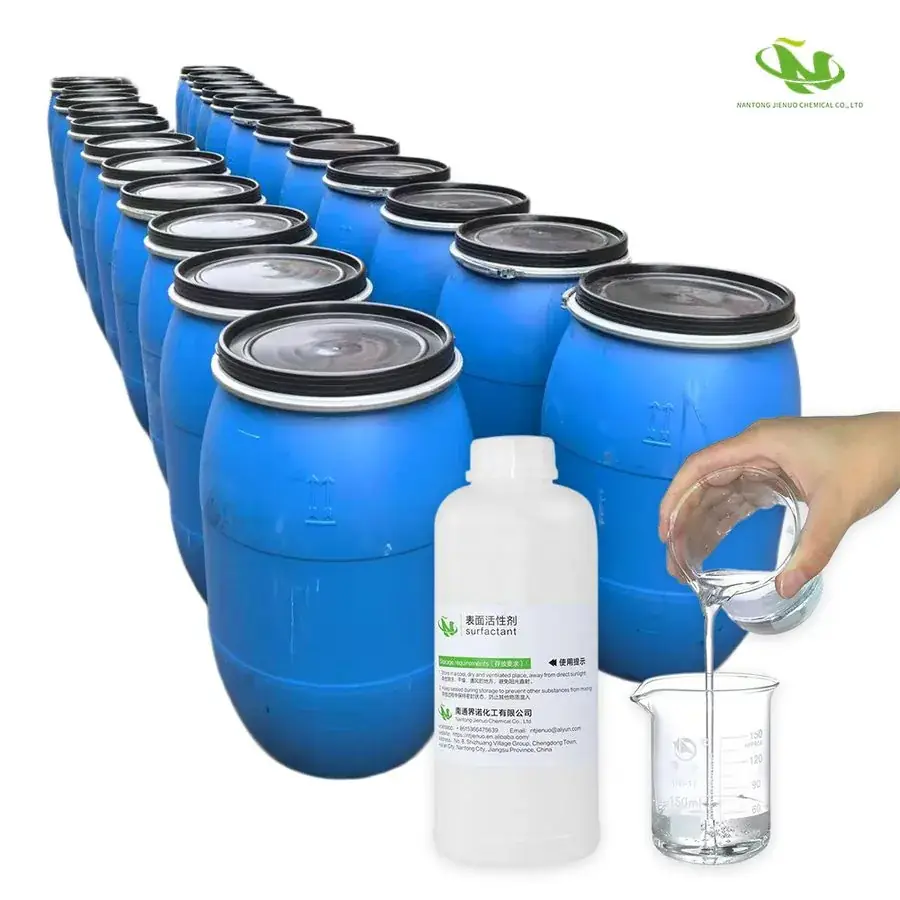
Anionic Surfactants product line
Anionic Surfactants products & packaging

What are anionic surfactants?

An anionic surfactant carries a negatively charged hydrophilic head, which gives it strong detergency, foaming and wetting performance in water. For B2B buyers the practical question is not only what anionic surfactant means, but whether the anionic charge is compatible with your formula's other ingredients, electrolytes and pH.

Anionic systems dominate household and industrial cleaning, personal care and textile processing because they remove soils efficiently and foam reliably. We help buyers compare anionic surfactant examples and options against their performance and raw-material targets.

Common types of anionic surfactants

Anionic surfactants are classified by the structure of their hydrophilic group. The families relevant to our range are:

  • Phosphate esters — such as isooctyl phosphate ester (HA-08), an anionic surfactant with emulsifying, wetting and dispersing performance in high-temperature alkaline textile baths.
  • Sulphates and sulphonates — the classic detergency workhorses in household cleaning, shampoos and industrial cleaners.
  • Carboxylates — milder anionic structures used where gentler cleaning or skin compatibility matters.
  • Nonionic alternatives — where an anionic charge would interfere with actives or electrolytes, nonionic surfactants offer a compatible option.

Where anionic surfactants are used

Anionic surfactants serve the same export markets as the rest of our range — Southeast Asia, Europe, North America, India and the Middle East.

  • Personal care and cosmetics — shampoos and body washes rely on anionic surfactants for foam and cleansing. See cosmetics & daily chemical.
  • Textile processing — anionic wetting, dispersing and scouring agents support pretreatment and dyeing. See textile printing & dyeing.
  • Industrial cleaning and metal processing — anionic performance in alkaline and high-foam systems. See metal processing.
  • Detergents — heavy-duty soil removal for household and institutional cleaning formulas.

Hard water is a deciding factor in anionic performance: high mineral content can suppress foam and reduce cleaning, so formulators either add builders or blend in nonionic surfactants. Share your water hardness, target foam profile and formula pH, and we will shortlist anionic surfactant examples that hold up in your system.

Related products

Our anionic range includes phosphate esters used across textile pretreatment, plastics, cleaning and personal care:

MOA-3PK (Fatty Alcohol Phosphate Ester) — representative imagery

MOA-3PK (Fatty Alcohol Phosphate Ester)

MOA-3PK is a fatty alcohol polyoxyethylene ether phosphate ester supplied as the potassium salt - an anionic surfactant that delivers antistatic performance alongside emulsifying, dispersing and cleaning functions. It shows excellent water solubility and electrolyte compatibility and resists acid, alkali and high-temperature processing (2% pH 6-8).

MOA-3PK fatty alcohol ether phosphate ester
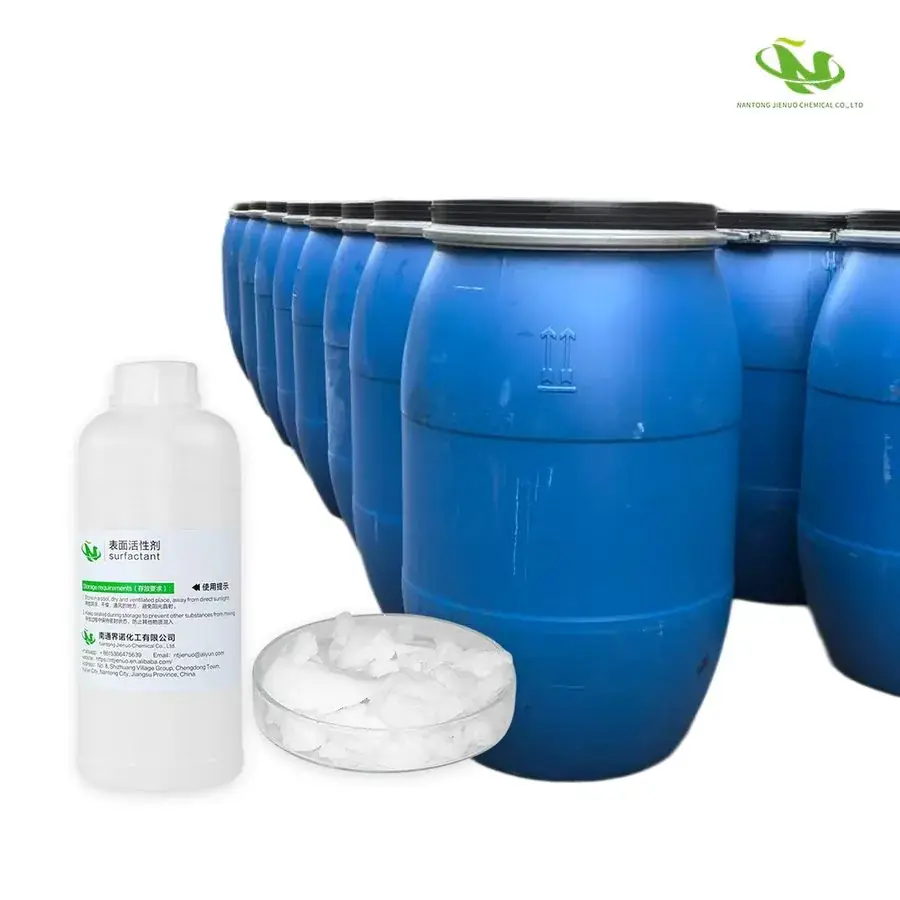
Isooctyl Phosphate Ester (HA-08) — representative imagery

Isooctyl Phosphate Ester (HA-08)

Isooctyl Phosphate Ester (HA-08) is an anionic phosphate-ester surfactant for textile pretreatment. It provides emulsifying, wetting and dispersing performance in high-temperature alkaline systems and helps penetrate and uniformise scouring and dyeing liquors. Full specification values are confirmed by the client before publication.

isooctyl phosphate ester

Frequently asked questions

What is the difference between anionic and nonionic surfactants?

Anionic surfactants carry a negative charge and excel at detergency, foaming and wetting; nonionic surfactants are charge-free and more compatible with electrolytes and other actives. The choice depends on your cleaning power, foam profile and formula compatibility.

Are anionic surfactants safe for personal care use?

Anionic surfactants are widely used in shampoos and body washes at regulated concentrations. Share your target market and the cosmetics regulations that apply with our team so we can confirm suitability and documentation for your region.

Can I request an anionic surfactant sample before ordering?

Yes — free 500 g to 1000 g samples are available for evaluation. The buyer covers freight, and the sample value is deducted from a future bulk order.

Request a quote or technical sample

Share your application, target market and required volume — our team responds with selection and lead time.

Contact us