
Tween-80 (Polysorbate 80)
Nonionic Surfactants
Tween-80
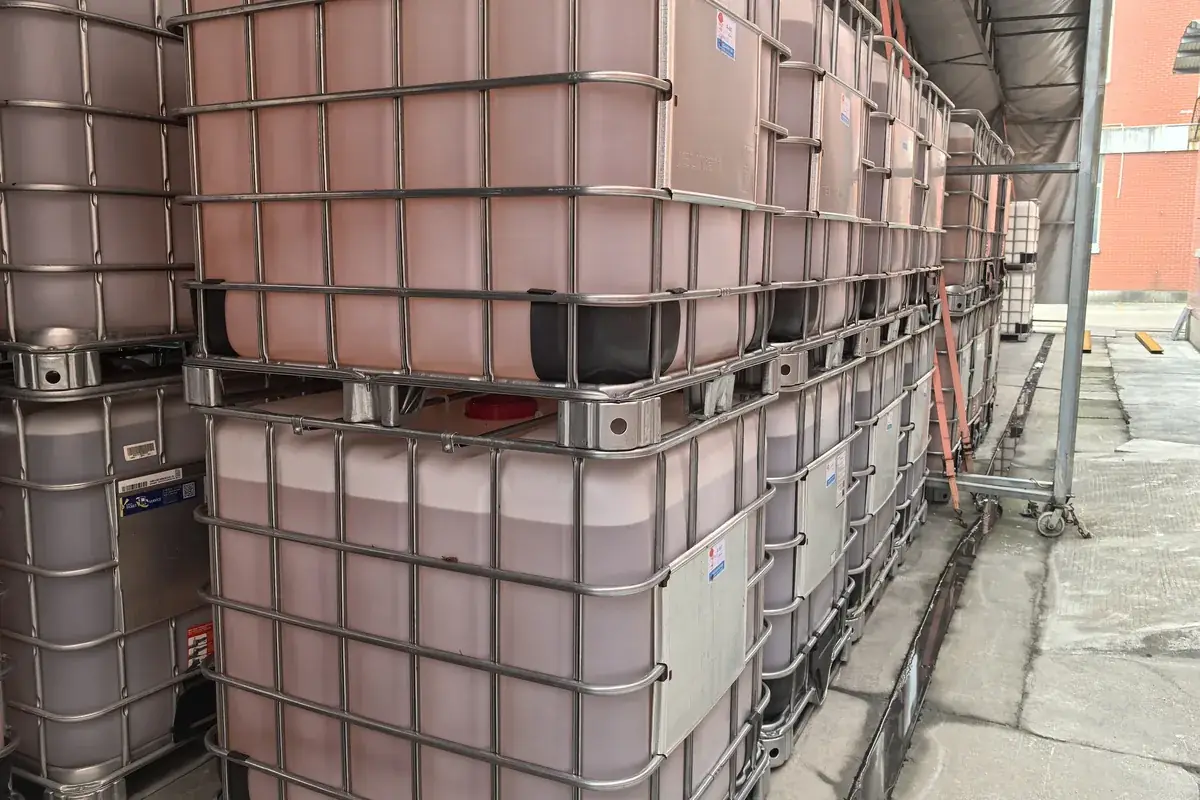
Ask two formulators the same question and both names come back: Tween 80 and Tween 40. Both are ethoxylated sorbitan esters, both sit in the polysorbate family, and both are sold as nonionic emulsifiers. The difference that decides your formulation is not the trade name. It is which fatty acid is attached to the sorbitan ring, because that is what sets how oil-loving the tail is.
Tween 80 and Tween 40 are members of one series, built the same way every time: a sorbitan ring carries a fatty acid, and ethylene oxide units are added to the remaining hydroxyls to make the molecule water-soluble. The fatty acid sets the tail; the ethylene oxide count sets the head. Choosing between two members of the series is therefore a question about your oil phase, not about which grade is stronger.
The practical consequence is that the only reliable basis for a comparison is the supplier specification for the exact grade in front of you, plus a bench test in your own water and your own oil. Grade-level numbers are not transferable between suppliers, and they are not transferable between members of the series either.
Sorbitan esters are usually met under the Span name, and their ethoxylated versions are usually met under the Tween name. A polysorbate is the same molecule described by chemistry instead of by trade name. The number in the trade name is a series index, not a performance rating: it identifies a particular combination of fatty acid and degree of ethoxylation. A higher number does not mean a stronger emulsifier.
On this site the two reference points for reading the series are Tween-80 (Polysorbate 80), documented as an oil-in-water emulsifier and solubiliser, and Span-80, the non-ethoxylated sorbitan ester documented as a water-in-oil emulsifier. The pair shows the logic in one step: ethoxylating the same backbone walks the molecule from the oil-favouring end toward the water-favouring end.
The comparison that pays is between the balance of the candidate grade and the balance your oil phase requires. Two grades from the same series often succeed or fail for the same reason: the required balance of the oil, solvent and water combination is not the one the chosen grade provides. That is why blending two members of a series is normal practice - a blend lets you land between two available points instead of settling for the nearer one.
If the required balance for your oil phase is known, screen the candidates against it before ordering samples. If it is not known, the bench sequence below will tell you more in an afternoon than any side-by-side datasheet comparison. The underlying chemistry is set out in how the hydrophilic head group drives the balance.
Polysorbate grades are frequently quoted with a balance figure, and it is tempting to sort a table by that single column. This site does not publish one for the polysorbate grades referenced above, because that value is not part of the specification record we hold for them. Where a value is not in the documented record, we leave it out rather than fill the gap with a borrowed figure. Other grades on this site do carry a published balance when the client record includes it, so the omission here is about the evidence, not about policy.
Two examples where the value is documented: Emulsifier EL-40 (PEG-40 Castor Oil) is published with an HLB of 13-14, and Emulsifier SG-10 with an HLB of 12-13 - both nonionic and both positioned on the water-favouring side. If you need a balance figure for a formal screening step, request it from the supplier together with the rest of the grade data, and confirm it on the bench before it enters a formulation record.
| Question | Why it decides the choice | Where the answer comes from |
|---|---|---|
| Which fatty acid does the grade carry? | It sets how lipophilic the tail is, and therefore where the molecule sits on the balance line. | Supplier specification for the exact grade |
| How many ethylene oxide units? | It sets head polarity and water solubility - the other half of the balance. | Supplier specification for the exact grade |
| Which direction must the emulsion run? | Oil-in-water and water-in-oil systems need opposite balances, so start from the direction, not the grade. | Your formulation brief |
| What balance does the oil phase require? | It turns the choice into a match rather than a preference. | Formulation reference or bench screen |
| What water, and what temperature range? | Hardness, electrolyte load and storage temperature move the balance that actually works. | Your plant conditions |
| What form can you handle? | Ambient form decides pumping, melting and charging. | Your equipment list |
Ethoxylated sorbitan esters appear across cosmetic, pharmaceutical, food and industrial systems, usually as the water-favouring half of an emulsifier pair and often as a solubiliser for oils that must be carried in an aqueous phase. The pairing logic - a lipophilic sorbitan ester with a more hydrophilic ethoxylated partner - is the same one that governs emulsifier selection for agrochemicals and the choice between nonionic and anionic surfactants. Where the job is to bring a single oil-soluble component into clear aqueous solution rather than to hold an emulsion, a dedicated grade such as CO40 Solubilizer is the usual starting point.
For transparency, this is what the published record contains for the two reference grades, and what it does not contain:
Continue with what an emulsifier is and how the types differ, then the broader selection notes for Lipalbin and textile dyeing auxiliaries.
Grade choice is fastest with your oil phase, your target emulsion direction and your water in hand. Send us the details and we will shortlist the grades that sit near your required balance.
Nonionic Surfactants
Tween-80
Nonionic Surfactants
Span-80
Nonionic Surfactants
emulsifier EL-40 PEG-40 castor oil
Emulsifiers
emulsifier SG-10 polyoxyethylene stearate
Nonionic Surfactants
CO40 solubilizer water oil chemical auxiliary stable solution
Nonionic Surfactants
Lipalbin nonionic emulsifier HLB 11-12 cosmetics emulsion
Both are ethoxylated sorbitan esters in the same polysorbate series. The series is built by attaching a fatty acid to a sorbitan ring and then adding ethylene oxide units: the fatty acid sets how lipophilic the tail is, and the ethylene oxide count sets how polar the head is. Tween 80 and Tween 40 differ at the fatty acid position, so they sit at different points on the balance line. The practical choice is made against your oil phase and confirmed on the bench.
Not as a drop-in substitution. Two grades at different points on the balance line will not give the same emulsion at the same dose. If you must move between them, re-run the dilution and storage tests at the new dose rather than assuming equivalence.
Start from the required balance of your oil phase and the direction the emulsion must run, then screen the candidate grades against it. Oil-in-water systems need a grade on the water-favouring side; the ethoxylated sorbitan ester Tween-80 is the reference point used on this site, with the non-ethoxylated Span-80 as the oil-favouring partner it is usually paired with.
Yes, blending is common practice and is one reason the series exists: a blend lets you land between two available balance points instead of settling for the nearer one. Fix the ratio by bench test, and re-test the blend for storage stability exactly as you would a single grade.
Share your application, target market and required volume — our team responds with selection and lead time.
Contact us